Scientific application
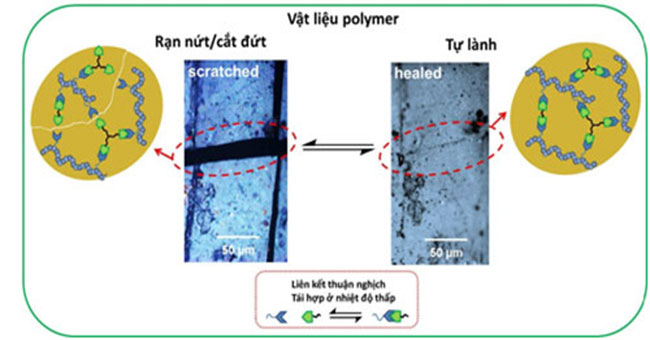
For the first time Vietnam created smart silicon materials
Using this material to replace the normal paint, scratched cars will also heal themselves when going out in the hot sun.
Browse ScienceInfo articles and explainers related to New Material.
182 published items.
Using this material to replace the normal paint, scratched cars will also heal themselves when going out in the hot sun.
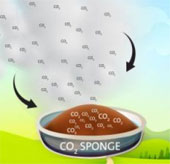
A plastic sheet like the greenhouse gas sponge carbon dioxide (CO2) can easily convert this contaminated fossil fuel into new energy sources.
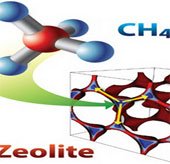
US scientists have discovered materials can 'hold' and concentrate methane, the second highest concentration of greenhouse gases in the atmosphere.
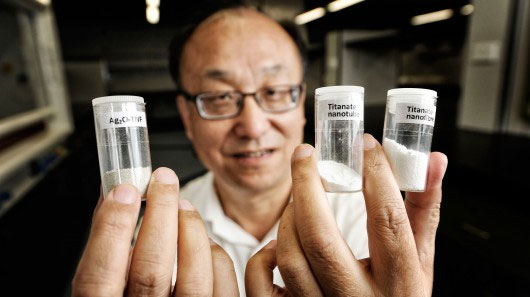
Recently scientists at Queensland University of Technology (Australia) said that it has successfully developed the first smart material in the world that has the ability…
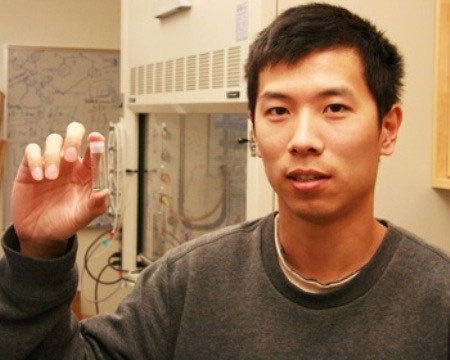
Chemical experts from the University of California, Santa Cruz have developed a new material called SLUG-26, which is used to treat contaminated water through ion exchan…

New materials in the form of silicon dioxide compounds (SiO2) can absorb radioactive iodine and strontium by changing the compound type.
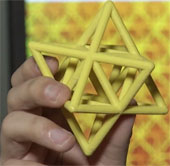
With 3D printing technology, scientists have created a super-light, ultra-durable new material structure, with resistance to masses of 100,000 times its own weight.
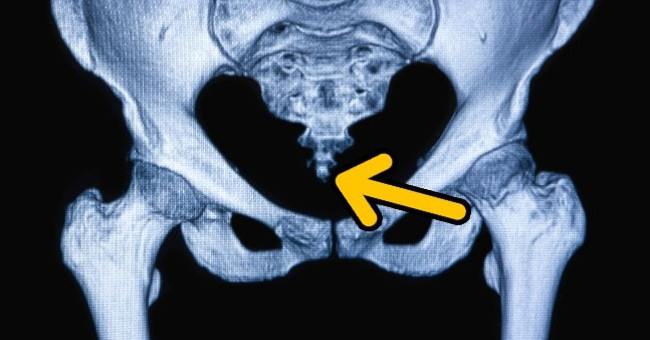
New matter, meteorites fly over Earth, people in the future, embryos half-human and half-pig .... are the most interesting news readers have seen in the past week.

Predicting the end of the world, the prophecy of Mrs. Vanga, the life outside of Earth, the ghost ship ... is the most widely read news in the past week.

The Large Hadron Collider (LHC) at the European Nuclear Research Organization (CERN) is one of the largest particle accelerators ever built, with a mission to find evide…
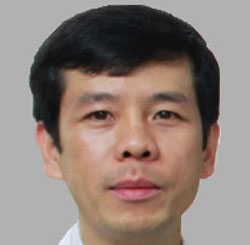
A Vietnamese scientist in Korea has just published a study published in the journal Science AAAs of the US, the world's leading scientific magazine.
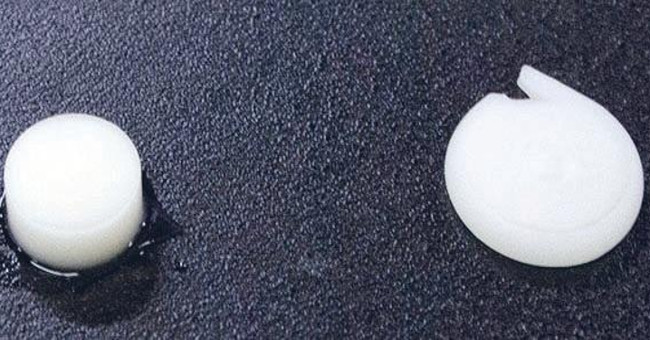
The team joked that they actually did the work in ... the kitchen, not the lab.
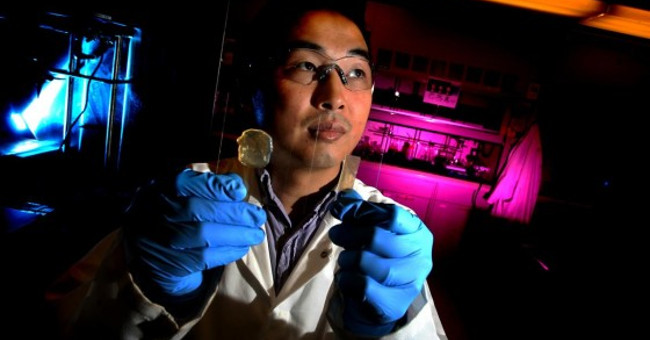
American scientists at the University of California at Riversiside (UCR-USA) have succeeded in making a new material from the patient's own blood to heal chronic wounds.
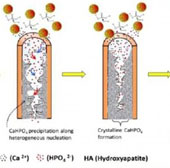
Sensitive teeth are the result of erosion of enamel (or dentin), revealing tiny neural tubes in the crowns.
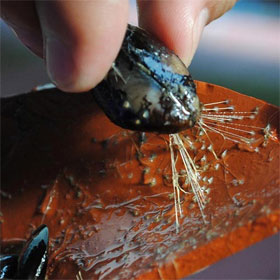
The study of mussel silk scientists helps open a new door for surgical replacement materials.